Cash Flow vs Profit
Why you can be ‘profitable’ but still run out of cash
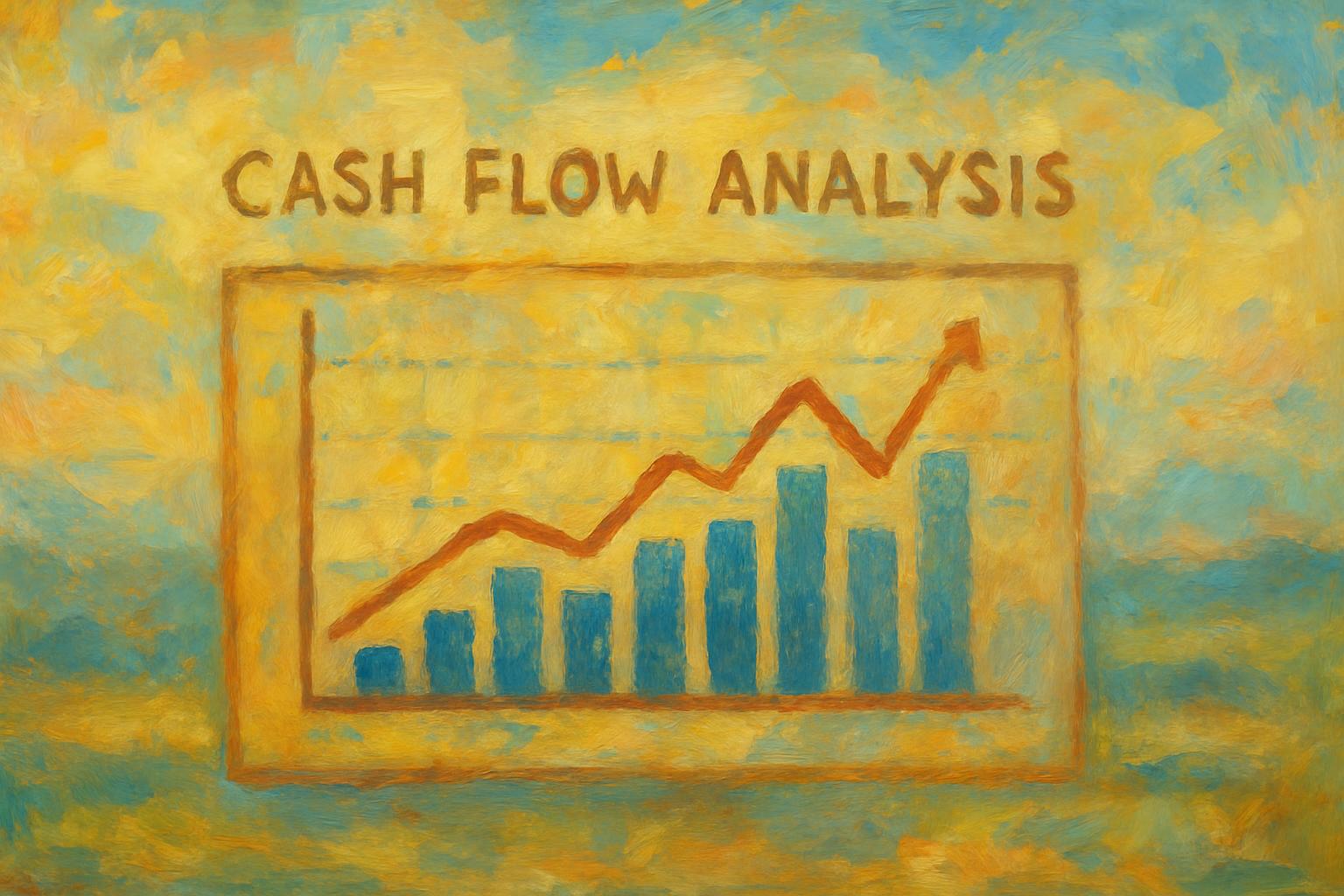
You can be profitable and still go bankrupt. This paradox has killed more businesses than any competitor ever could. The difference between profit and cash flow isn’t just accounting—it’s the difference between surviving and thriving.
Cash Flow vs Profit: A Reality Check
You just landed a dream project. You’ve scoped the costs, set your rates, and that spreadsheet says you’ll make a tidy profit.
But here’s the shocker: you can be profitable on paper and still run out of cash. It happens to startups, studios, and even big brands every day.
Why? Because profit and cash flow aren’t the same thing.
What’s the Difference? (And Why Should You Care?)
- Profit is what’s left after you subtract expenses from revenue.
Sounds simple. But profit can exist only on paper. - Cash flow is the real money in (and out) of your bank account.
You can’t pay salaries or suppliers with “profit.”
If profit is your moodboard that can inspire but is still abstract, then cash flow is going to press with a book design or deploying a website project to production.
Explore Real-World Cash Flow
Try the interactive simulation below. Each scenario (SaaS, Retail, Manufacturing, Restaurant) demonstrates different cash flow mistakes in action, with lines for profit, cash, and cash owed.
How to use:
- Select a scenario — watch profit, cash, and “cash owed” over time.
- Hit play. Watch how cash flow diverges from profit, especially when mistakes are made.
- Try all four industries — each exposes different risks.
The 10 Biggest Cash Flow Mistakes (You’ll See Them All Here)
| Mistake | Description | Seen In Scenario(s) |
|---|---|---|
| Overestimating Revenue | Projecting more sales than reality | SaaS, Restaurant |
| Underestimating Expenses | Forgetting true costs | Retail, Restaurant |
| Poor Invoicing Practices | Slow/late to collect payments | SaaS, Restaurant |
| Ignoring Payment Delays | Not chasing what’s owed | Manufacturing, Restaurant |
| Overreliance on Credit | Leaning on loans/credit cards | Manufacturing |
| No Cash Reserve | Not saving for slow times | Retail |
| Growing Too Fast | Scaling before you’re ready | SaaS |
| Confusing Profit with Cash | “If it’s profitable, we’re fine!” | All scenarios |
| Poor Inventory Management | Overstocking unsold goods | Retail |
| Lack of Forecasting | Not planning ahead | Manufacturing, Restaurant |
Why This Matters for Designers
1. Surviving the Gap
Creative businesses, like SaaS or studios, often bill up front but get paid later. You’re rich on paper, broke in reality.
Lesson: Track not just what you’re owed — but what’s actually in the bank.
2. Spotting Warning Signs
The code above lets you see when cash gets tight, even if profit is rising. (Spoiler: cash flow is usually the first thing to break in a growth phase!)
3. Designing with Business in Mind
When you propose new features, tools, or campaigns, ask: “How will this affect our cash flow?”
Not just: “Is it profitable on paper?”
Three Questions to Ask on Every Project
-
How long until we get paid?
- Long payment terms = cash crunch risk.
-
Do our expenses ever spike?
- Inventory, software renewals, new hires, marketing blitzes — plan for them.
-
Are we confusing invoices with money in the bank?
- Always check your actual cash, not just expected payments.
The Bottom Line
Profit is a story. Cash is the reality.
- You design user journeys. Now design your cash journey.
- Don’t let optimism or a few big sales fool you.
- Master cash flow, and you’ll build businesses — and creative careers — that last.
“In business, running out of cash is like running out of oxygen. Don’t let it happen to you — know your numbers, watch your flows, and build for resilience.”
Want to go deeper?
Next up: “The Cash Flow Forecast — Building Your Runway” (Coming Soon!)